At The Irish Truth we started out feeling fed up with how news was being shared. We saw one-sided stories and important stuff getting ignored. So, we decided to step up and be different.
Our journey began because we wanted to tell the real stories, the ones that often don't make it to the headlines. We're all about being straight-up honest and showing the full picture of what's happening in Ireland.
Our team is committed to giving it to you straight, without any hidden agendas. We're here to dig deep, bring out the truths that matter, and make sure everyone's voice gets heard. Join us in this journey for clear, inclusive news that's about the real Ireland. Let's make sure the stories that truly matter aren't left out and that honesty takes the front seat in everything we share
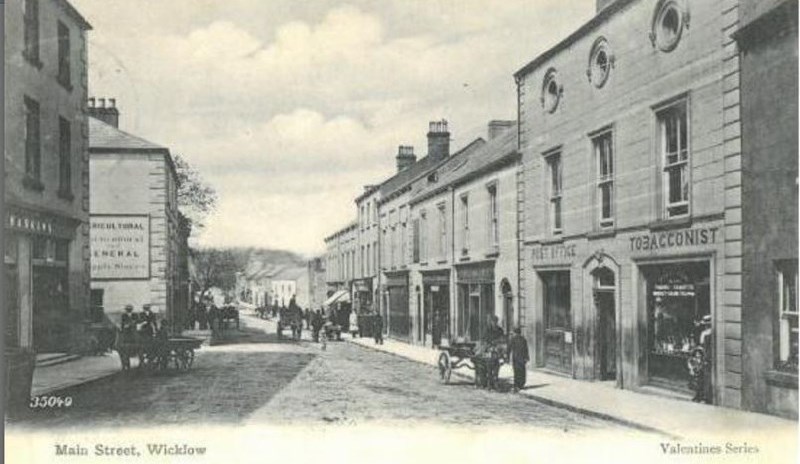
Wicklow in the 1940s
A Tapestry of Tranquility and Tenacity
Nestled between the gentle embrace of the Wicklow Mountains and the soothing whispers of the Irish Sea, County Wicklow in the 1940s was a place where time seemed to stand still amidst the beauty of nature and the resilience of its people. Against the backdrop of World War II and the winds of change sweeping across Ireland, Wicklow's landscapes unfolded like a painting, each stroke revealing the deep-seated pride and unwavering spirit of its inhabitants.
In the quaint villages and towns that dotted Wicklow's countryside, life unfolded at a pace dictated by the ebb and flow of nature and the bonds of community. From the bustling markets of Wicklow Town to the tranquil shores of Glendalough, Wicklow's communities thrived amidst the timeless beauty of its natural surroundings. Families gathered around hearths in cozy cottages, sharing stories and laughter as the flickering flames cast a warm glow upon weathered faces.
But it was not just the idyllic charm of Wicklow's landscapes that captivated its inhabitants; it was also the deep-rooted sense of pride in the county's rich cultural heritage. From the haunting melodies of traditional Irish music to the graceful movements of Irish dancing, Wicklow's cultural traditions were woven into the very fabric of daily life. In pubs and parish halls, musicians and dancers came together to celebrate the songs and stories that had been passed down through generations, forging connections that spanned time and space.
One unique aspect of life in 1940s Wicklow was the county's strong tradition of Republicanism and support for Sinn Féin. Wicklow had a long history of standing up for Irish independence, dating back to the United Irishmen's rebellion of 1798, and this spirit of defiance continued to animate the county's political landscape in the 1940s.
When Ireland finally achieved full independence in 1949, the people of Wicklow rejoiced with a sense of pride and hope for the future. For generations, they had fought and sacrificed for the dream of a free and sovereign nation, and now that dream had become a reality. As the tricolor flag flew proudly over towns and villages across the county, Wicklow stood as a symbol of Ireland's enduring spirit and the resilience of its people.In the heart of the 1940s, amidst the challenges of war and uncertainty, Wicklow stood as a beacon of tranquility and tenacity, a testament to the enduring spirit of its people.
As we reflect on this bygone era, let us remember Wicklow not just as a place on the map, but as a cherished home where the bonds of community and tradition continue to thrive.
Subscribe to our newsletter
Get exclusive access to breaking news, insightful articles, and curated content delivered straight to your inbox. Join our community today and never miss a beat!"