
Special thanks to xxxx for supporting true irish news and for there contribution to the XXX charity



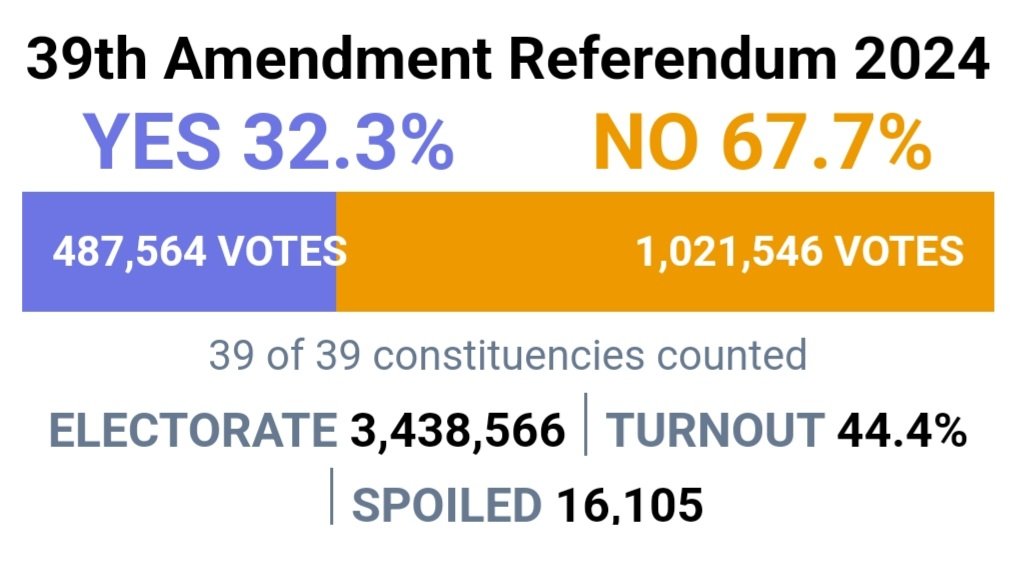
As the nation eagerly opened ballot boxes on a Saturday morning, anticipation mingled with uncertainty. The proposed constitutional amendments centered on care and family, supported by a coalition of government parties, Sinn Féin, and various campaign groups, were met with a surprising defeat. The defeat was not surprisng for the general public , but members of the “YES” campaign were said to be shocked.
Despite substantial backing, including endorsements from key political players and organizations, the campaign failed to capture the public's attention, leaving many wondering: Where did it all go wrong for them?
One glaring issue was the rushed nature of the process. While officials meticulously crafted the referendum text behind closed doors, the public consideration in the Dáil and Seanad appeared hasty. Pre-legislative scrutiny was waived, and the parliamentary guillotine cut short debates, leaving campaigners and voters feeling overwhelmed by complex and conflicting information. The decision to hold the vote on International Women's Day, seemingly a strategic move, may have backfired, contributing to a sense of disengagement among the electorate.
There was a feeling among the public that their opinions and concerns were ignored and brushed aside. This feeling was shown clearly at the polls and it is a mistake that has cost the government dearly within this referendum.
The care proposal faced early skepticism from opposition politicians who felt it didn't go far enough. Even those advocating for a "Yes" vote expressed reluctance, believing the focus on care within the home was limiting. This sentiment extended across the political spectrum, with many politicians seemingly disenchanted and reluctant to actively campaign for change.
While the National Women's Council of Ireland's support was crucial, internal disagreements among feminist groups and the perceived neglect of women with disabilities during the referendum debate created fractures.
Senator Tom Clonan's argument against the proposed amendment resonated with some, highlighting concerns that it perpetuated an ableist view, reinforcing dependence on family for care.
The government's lack of proactive engagement was noticeable, especially when compared to previous referendum campaigns. Urgency was absent, and critical issues, such as the potential ramifications of a "Yes" vote on immigration and tax implications, were not effectively addressed. The Attorney General's advice, though supportive of the proposed amendments, was not made public, contributing to the "Don't know? Vote No" narrative.
In the age of short attention spans and social media, Taoiseach Leo Varadkar found himself entangled in controversy following a viral statement on family responsibility. The misrepresentation online fueled accusations of the government shirking its duties, underscoring the challenges politicians face in navigating the landscape of outrage and misinformation.
In the aftermath of this unexpected defeat, a thorough postmortem is inevitable. The rushed process, incomplete support, and lack of proactive engagement have left many questioning the decisions leading up to this pivotal moment in Ireland's constitutional history.