Cork's Pivotal Role in Ireland's Independence Day, 1949
On a crisp morning in April 1949, the air in Cork was filled with anticipation and pride as the city, alongside the rest of Ireland, prepared to celebrate a monumental day. This was no ordinary celebration—it was the day Ireland officially declared itself a republic, severing the last ties with the British Commonwealth. Cork, known as the "Rebel City," played an instrumental role in this historic journey, embodying the spirit of resilience and determination that led to this triumphant moment.
Cork's contribution to Ireland's struggle for independence is etched deeply in the annals of history. The city, with its vibrant culture and indomitable spirit, has long been a bastion of revolutionary fervor. From the early days of the fight for freedom, Cork produced some of the most fervent and dedicated patriots, including Michael Collins, who was a leading figure in the struggle for independence.
As the world watched on April 18, 1949, Cork stood proudly, its streets adorned with the green, white, and orange of the Irish flag. This day marked the culmination of years of struggle, sacrifice, and unwavering resolve. The Government of Ireland Act 1948 had been passed the previous December, and now, with the Easter Monday celebrations, the Irish Free State was no more; it was the Republic of Ireland.
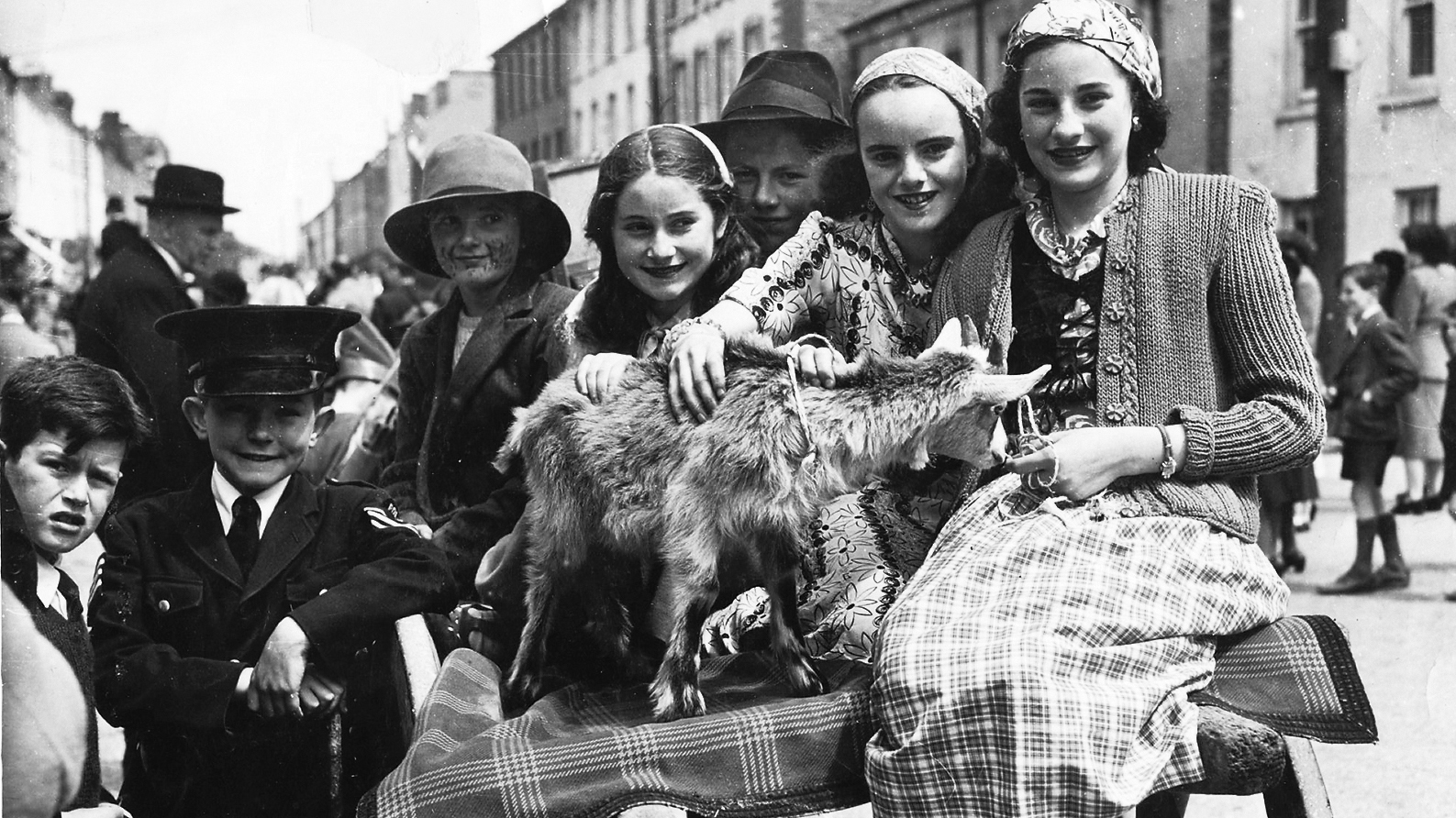
The celebrations in Cork were nothing short of spectacular. The city, renowned for its community spirit and cultural richness, came together in an unprecedented show of unity. Schools were closed, businesses paused their operations, and the people of Cork thronged the streets to witness the historic declaration.
St. Patrick’s Street, the city’s main thoroughfare, was a sea of smiling faces and waving flags. The echoes of traditional Irish music and the rhythmic beats of drums filled the air. Local bands played patriotic tunes, and impromptu ceili dances broke out in the squares and open spaces. It was a day when the past hardships were momentarily forgotten, and the promise of a brighter future was embraced wholeheartedly.
The significance of this day was not only in the grand celebrations but also in remembering the unsung heroes of Cork who played vital roles in the independence movement. From the volunteers who participated in the Easter Rising of 1916 to those who fought in the War of Independence, Cork's sons and daughters had long been at the forefront of the struggle.
In speeches delivered from balconies and podiums throughout the city, tributes were paid to these brave individuals. Their sacrifices had paved the way for this day of freedom. The names of leaders such as Tomás Mac Curtain, the Lord Mayor of Cork who was assassinated in 1920, and Terence MacSwiney, who died on hunger strike, were spoken with reverence and gratitude.
As evening fell on April 18, 1949, Cork was illuminated by the glow of fireworks, symbolizing the dawn of a new era. The night sky was painted with vibrant colors, reflecting the hopes and dreams of a nation reborn. The celebrations continued well into the night, with bonfires lighting up the hills surrounding the city.
In speeches delivered from balconies and podiums throughout the city, tributes were paid to these brave individuals. Their sacrifices had paved the way for this day of freedom. The names of leaders such as Tomás Mac Curtain, the Lord Mayor of Cork who was assassinated in 1920, and Terence MacSwiney, who died on hunger strike, were spoken with reverence and gratitude.
As evening fell on April 18, 1949, Cork was illuminated by the glow of fireworks, symbolizing the dawn of a new era. The night sky was painted with vibrant colors, reflecting the hopes and dreams of a nation reborn. The celebrations continued well into the night, with bonfires lighting up the hills surrounding the city.
For the people of Cork, this day was more than just a political milestone—it was a testament to their enduring spirit and their unyielding quest for freedom. The declaration of the Republic of Ireland was a victory for all, and Cork's role in achieving this was a source of immense pride.
Today, as we look back on that historic day in 1949, Cork’s contributions to Irish independence continue to inspire. The Rebel City’s legacy is one of courage, resilience, and unwavering patriotism.
The streets that once echoed with the sounds of celebration now serve as reminders of the city’s pivotal role in shaping the destiny of a nation.Ireland’s journey to independence was a collective effort, but the heart and soul of Cork were undeniably instrumental in reaching that long-awaited day.
As we celebrate this legacy, we honor the memory of those who fought for freedom and those who continue to uphold the values of a proud and free Ireland.So, here’s to Cork—its people, its spirit, and its unwavering dedication to the cause of Irish independence. The Rebel City, forever etched in the story of Ireland’s journey to freedom, stands as a beacon of hope and a testament to the power of unity and resilience.



.jpg)
.jpg)
.jpg)