A Beacon of Resilience and Renewal
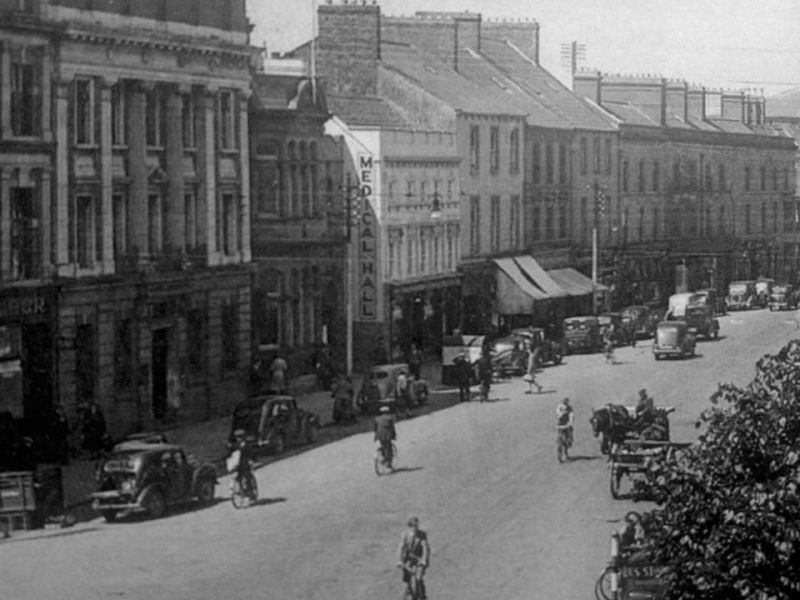
Nestled along the northeastern coast of Ireland, County Louth has long been a land of contrasts and contradictions, where the ancient and the modern coexist in perfect harmony. As the 1940s dawned, Louth found itself at a pivotal moment in history, navigating the tumultuous waters of war and change while holding fast to its rich heritage and traditions.
Before the 1940s, Louth was a land steeped in myth and legend, its rolling hills and fertile plains teeming with stories of kings and heroes from Ireland's ancient past. The medieval town of Drogheda, with its imposing walls and historic landmarks, stood as a testament to the county's storied history, while the bustling port of Dundalk buzzed with the energy of commerce and trade.
But as the 1940s unfolded, Louth found itself thrust into the crucible of World War II, as young men from the county answered the call to arms and joined the fight against tyranny. Families in Louth, like those across Ireland, faced the hardships of rationing and shortages, yet they remained steadfast in their resolve, drawing strength from the bonds of community and tradition that ran deep in the county's veins.
One unique aspect of Louth's political landscape in the 1940s was its strong support for the Irish Labour Party. In a county where the struggle for workers' rights and social justice was a driving force, the Labour Party found a receptive audience among the working-class population of Louth. Led by local figures such as Jim Larkin Jr., the Labour Party championed the cause of the common people, advocating for fair wages, improved working conditions, and social welfare programs.
When Ireland finally achieved full independence in 1949, the people of Louth celebrated with a sense of pride and optimism for the future. While Louth may not have played a central role in the fight for independence, its residents had contributed in their own quiet yet meaningful ways, offering support and solidarity to the cause through political activism, community organizing, and acts of patriotism.
As the 1940s drew to a close, Louth stood as a county transformed by the trials of war and the promise of a new era. As we look back on this pivotal moment in Louth's history, let us remember the resilience and courage of its people, whose spirit of unity and determination helped to shape the destiny of a nation. And let us honor the legacy of those who came before us, whose sacrifices and struggles paved the way for the Louth of today.