Living in Mayo in the 1940s
A Journey Through Time
Stepping into the past, the 1940s in Mayo offer a vivid tableau of life in Ireland during a decade marked by significant change and enduring traditions. As we stroll through the narrow lanes and expansive landscapes of County Mayo, we uncover a way of life that, while grounded in the hardships and simplicities of rural existence, was also brimming with resilience and hope.
Before delving into the 1940s, it’s essential to understand the roots of life in Mayo. In the early 20th century, Mayo was a place where the echoes of the Great Famine still resonated in collective memory. The land, rugged and beautiful, shaped the lives of its inhabitants. Agriculture was the backbone of the economy, with small farms and fishing communities dotting the landscape.
Life was simple, yet harsh. The rural lifestyle required hard labor from dawn till dusk. Farmers toiled in their fields, tending to potatoes, oats, and livestock. The traditional thatched cottages, with their whitewashed walls, were homes to large families where each member had a role to play. The community spirit was strong, forged through shared struggles and mutual support.
The 1940s: Change Amidst Tradition
As the 1940s dawned, Mayo, like the rest of Ireland, was caught between the pull of tradition and the winds of change. The decade was marked by World War II, or "The Emergency" as it was known in Ireland, bringing both isolation and a unique neutrality to the country. While Ireland remained out of the conflict, the war's impact was felt in various ways, from rationing to economic constraints.
Stepping into the past, the 1940s in Mayo offer a vivid tableau of life in Ireland during a decade marked by significant change and enduring traditions. As we stroll through the narrow lanes and expansive landscapes of County Mayo, we uncover a way of life that, while grounded in the hardships and simplicities of rural existence, was also brimming with resilience and hope.
Daily Life in Mayo
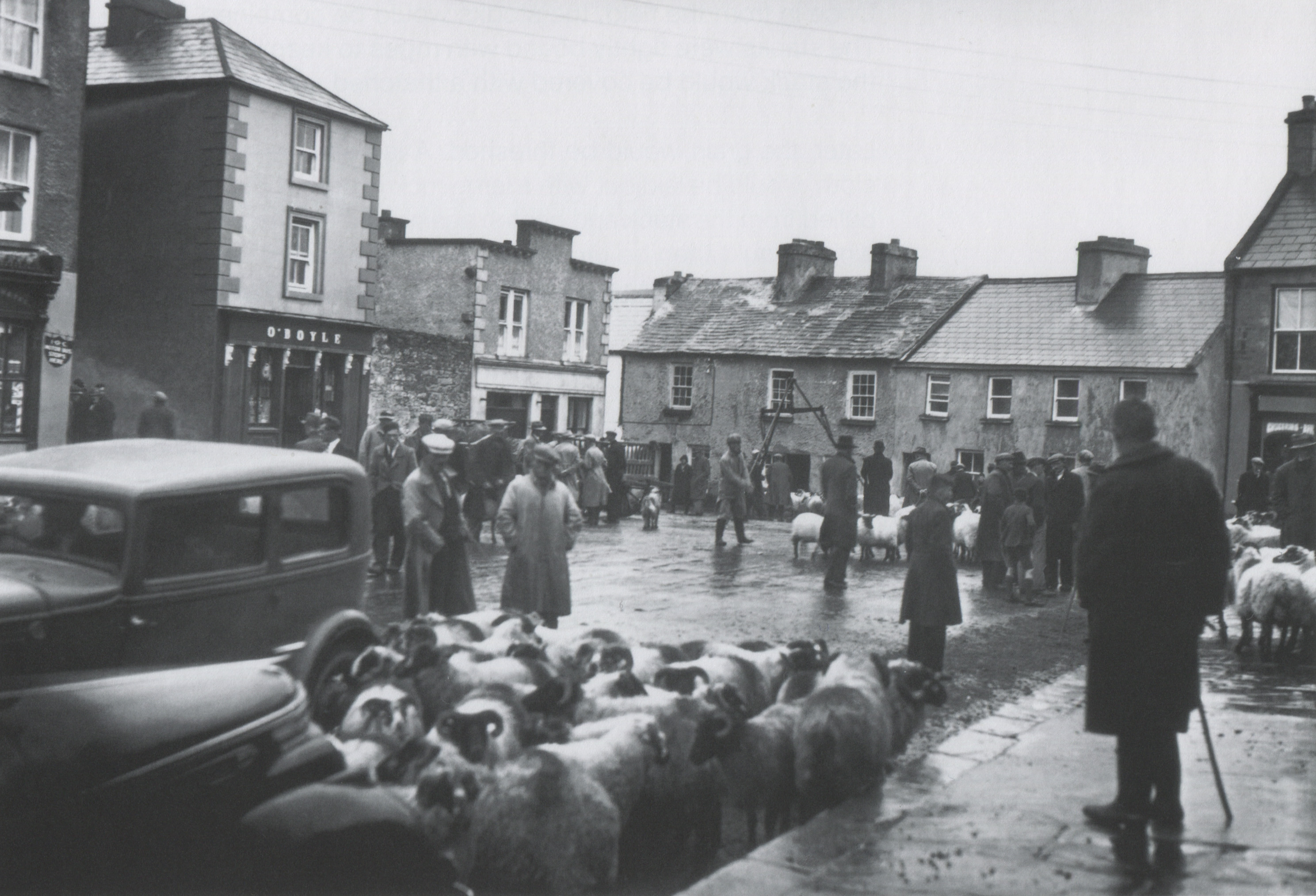
In the 1940s, daily life in Mayo continued to revolve around agriculture. The war years brought challenges, but also opportunities. With imports restricted, there was a greater emphasis on self-sufficiency. Local produce became even more critical, and the resourcefulness of Mayo’s people came to the fore. Bartering and local markets thrived as communities leaned heavily on each other.
The social fabric of Mayo was tightly knit. Ceilidhs, traditional Irish social gatherings with music and dancing, were the highlight of social life, providing respite from the daily grind. The local pub was another cornerstone, a place where stories were shared, and news was exchanged.
Education and Emigration
Education in Mayo during the 1940s was basic, yet highly valued. Children attended local schools, often walking miles to get there. The curriculum was a blend of traditional subjects and practical skills. However, opportunities were limited, and many young people saw emigration as the only viable option for a better life. The United States and Britain were popular destinations, leading to a bittersweet dynamic where families were often separated, but remittances from abroad provided much-needed support.
The Role of Mayo in Ireland’s Independence
Mayo’s spirit of resilience and determination played a crucial role in the broader context of Ireland’s path to independence. The county had a history of involvement in the struggle for freedom, with notable figures like Michael Davitt, a founder of the Irish National Land League, hailing from here. The Land League itself was pivotal in the fight for tenants’ rights and land reform, laying the groundwork for future independence movements.
As the news of Ireland's declaration as a republic in 1949 reached Mayo, it was met with a mixture of pride and cautious optimism. The county, steeped in a tradition of resistance and activism, celebrated this milestone, recognizing it as a culmination of years of sacrifice and effort.
The 1949 Independence Celebrations in Mayo
The declaration of the Republic of Ireland on April 18, 1949, was a momentous occasion for the entire nation, and Mayo was no exception. In towns like Castlebar and Ballina, the streets were adorned with the tricolors of the Irish flag. Impromptu gatherings and celebrations took place in village squares and local pubs. It was a day of immense pride, reflecting on the journey from colonial subjugation to national sovereignty.
Communities organized traditional music sessions, dances, and parades. The older generation, who had lived through the tumultuous years of the early 20th century, shared stories of the struggles and triumphs with the younger ones. The air was thick with a sense of accomplishment and a hopeful gaze towards the future.
A Legacy of Resilience
Living in Mayo in the 1940s meant embracing a life that was both challenging and richly rewarding. The decade encapsulated a period of self-reliance and community strength, set against the backdrop of a country finding its identity on the world stage. Mayo’s contribution to Ireland’s independence, though perhaps quieter than the dramatic events in larger cities, was no less significant.
Today, the legacy of those times continues to shape Mayo’s identity. The stories of resilience, the strong community bonds, and the enduring connection to the land are still evident in the county’s culture and spirit. As we look back, we not only honor the past but also draw inspiration for the future from a time when Mayo, like the rest of Ireland, stood on the cusp of a new beginning.


.jpg)