Life in Monaghan in the 1940s
A Glimpse Into the Heart of Rural Ireland
Imagine walking through the rolling green hills and tranquil lakes of Monaghan in the 1940s, where the pace of life was dictated by the rhythms of nature and the strong sense of community. This era, framed by the challenges of war and the triumph of independence, offers a captivating window into the resilience and spirit of the people of Monaghan.
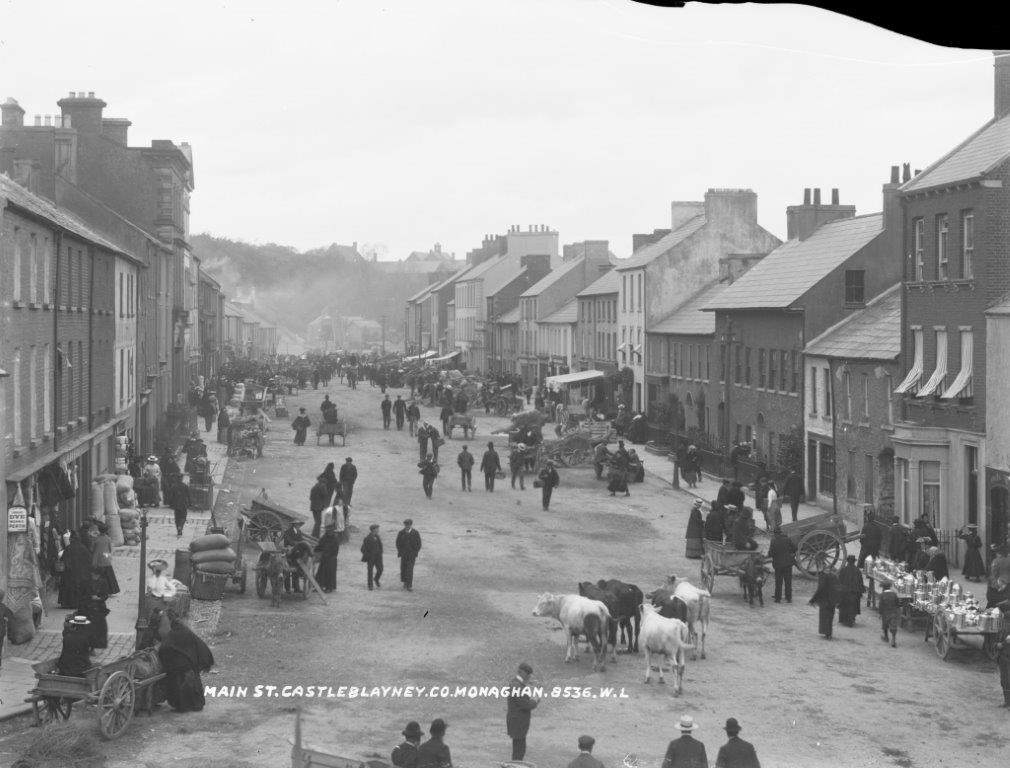
To truly appreciate the 1940s, we must first turn back the clock to understand Monaghan in the early 20th century. Nestled in the heart of Ulster, this predominantly rural county was characterized by its agricultural economy. Small farms dotted the landscape, with families relying on the land for their livelihood. Cattle and dairy farming were staples, and the fields were often filled with potatoes, oats, and barley.
Life in Monaghan before the 1940s was one of simplicity and hard work. The thatched cottages, with their thick stone walls, were home to large, often extended families. The communal way of life fostered strong bonds, with neighbors helping each other during the harvest and sharing in both celebrations and sorrows.
The 1940s: The Era of The Emergency
As the 1940s began, Monaghan, like the rest of Ireland, felt the impact of World War II, known locally as "The Emergency." Though Ireland remained neutral, the war's effects were palpable. Rationing was a daily reality, with tea, sugar, and other essentials in short supply. The people of Monaghan had to be resourceful, growing their own food and relying on local produce to make ends meet.
Daily Life and Work
Agriculture remained at the core of life in Monaghan during the 1940s. The landscape was alive with the sights and sounds of farming: the lowing of cattle, the clatter of carts, and the rhythmic swing of scythes during harvest. Despite the hard work, there was a sense of fulfillment in the self-sufficiency that the land provided.
For the younger generation, education offered a glimpse of a different future. Schools in Monaghan, while modest, were a hub of learning and social interaction. Children would often walk miles to school, their heads filled with dreams beyond the fields. However, many would ultimately stay close to home, continuing the agricultural traditions of their forebears.
Community and Culture
The social life of Monaghan in the 1940s revolved around community gatherings. The local parish hall was a focal point, hosting dances, ceilidhs, and meetings. Traditional Irish music, with its lively jigs and soulful ballads, played a central role in these gatherings, bringing joy and a sense of continuity to the community.
Religious faith was another cornerstone of life in Monaghan. The Catholic Church had a significant influence, with Sunday Mass being a key weekly event that brought the community together. The church also played a role in education and social services, reinforcing the close-knit fabric of society.
The Road to Independence: Monaghan’s Role
Monaghan has a storied history of involvement in Ireland's fight for independence. The county was home to many who participated in the struggle against British rule, contributing to the broader national movement. The local volunteers of the Irish Republican Army (IRA) were active during the War of Independence, carrying out operations and supporting the cause of freedom.
By the time Ireland was officially declared a republic on April 18, 1949, the people of Monaghan, like those across the country, felt a profound sense of pride and achievement. The announcement was met with celebrations, reflecting both a recognition of past sacrifices and a hopeful look towards the future. Bonfires were lit, and the tri colours were hoisted high in towns like Monaghan and Clones, symbolizing the dawn of a new era
Celebrating Independence in 1949
When news of the Republic's declaration reached Monaghan, it was a cause for great celebration. The streets were filled with joyous crowds, and spontaneous festivities erupted. The local brass band played patriotic tunes, and traditional Irish music filled the air as people danced in the streets.
The celebrations were not just about political independence; they were a recognition of the county's contributions to the national cause and a tribute to the resilience of its people. The community came together, reflecting on their shared history and looking forward to the promise of a brighter future.
A Legacy of Resilience and Community
Living in Monaghan in the 1940s meant navigating a world of hard work, strong community ties, and enduring traditions. The decade was a testament to the resilience and resourcefulness of its people, who faced challenges with a spirit of unity and determination.
Today, the legacy of the 1940s continues to shape Monaghan's identity. The stories of those times are woven into the fabric of the county, a reminder of the strength and solidarity that carried them through. As we look back on this era, we celebrate the enduring spirit of Monaghan, a county that played its part in the grand narrative of Ireland's journey to independence.
In the heart of Ulster, amidst the rolling hills and serene lakes, the story of Monaghan in the 1940s remains a poignant chapter in the history of Ireland—a testament to the enduring power of community and the unyielding quest for freedom.


.jpg)

.jpg)