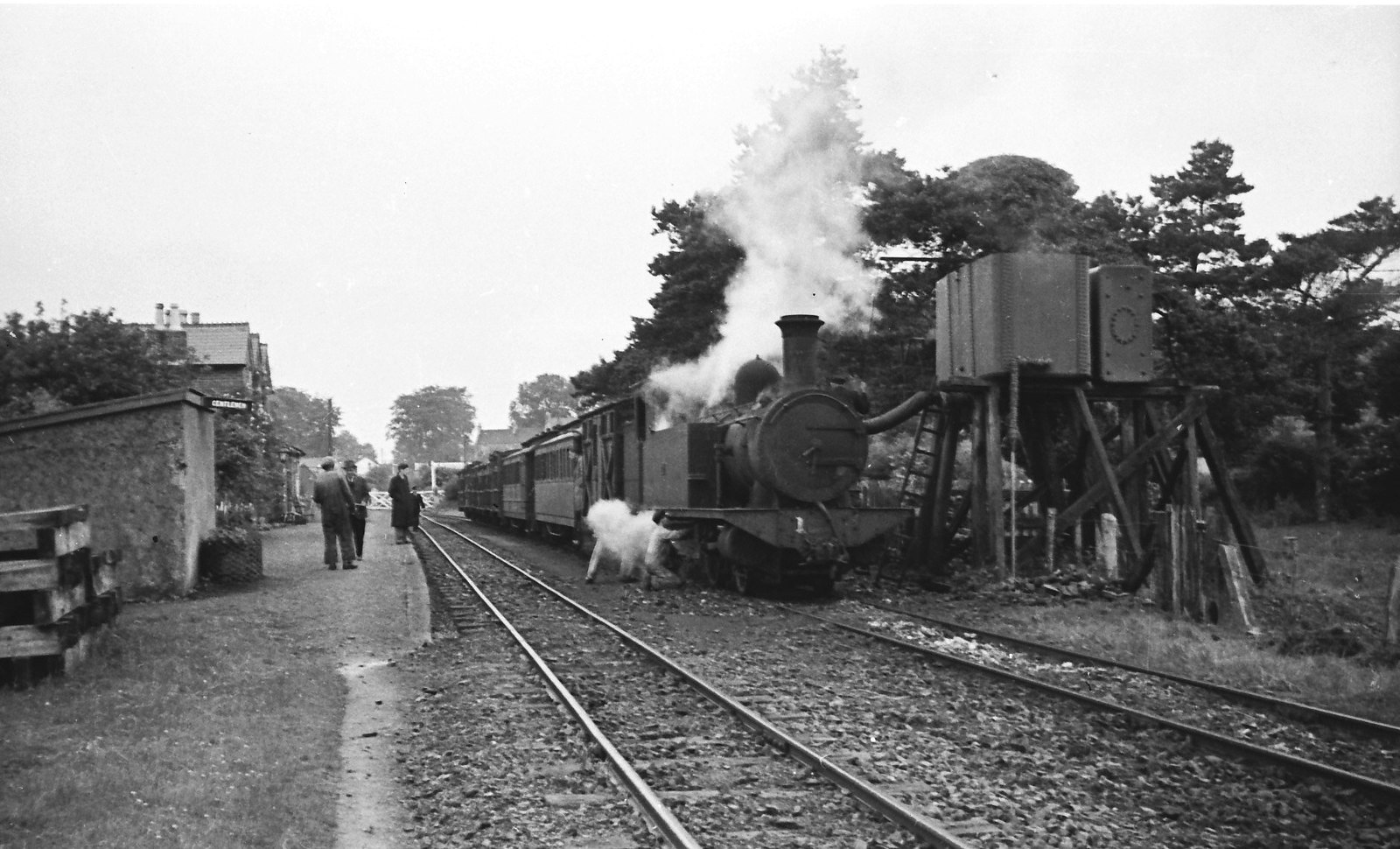
Life in Leitrim in the 1940s
A Portrait of Resilience and Rural Charm
Nestled in the tranquil embrace of Ireland's northwest lies County Leitrim, a land of rolling hills, winding rivers, and timeless beauty. Steeped in history and tradition, Leitrim has long been a place where the rhythms of rural life unfold amidst the rugged landscapes, shaping the identity and character of its people. As the 1940s dawned, Leitrim stood at a crossroads, navigating the challenges of war and the complexities of a changing world while holding fast to its cherished heritage.
Before the 1940s, Leitrim was a patchwork of small villages and rural homesteads, where families eked out a living from the land and forged deep bonds of kinship and community. The county's picturesque landscapes, dotted with ancient ruins and quiet glens, spoke to a rich history that stretched back through the centuries. In towns like Carrick-on-Shannon and Manorhamilton, the rhythms of daily life revolved around agriculture, trade, and the timeless rituals of rural living.
During the 1940s, life in Leitrim was colored by the challenges of war and the realities of rural existence. As young men left to fight on foreign shores and families faced shortages and rationing, the people of Leitrim relied on their resilience and resourcefulness to weather the storm. Despite the hardships, there was a sense of solidarity and community spirit that bound the county together, as neighbors rallied to support one another in times of need.
One unique aspect of Leitrim's political views in the 1940s was its strong support for the Labour Party, particularly under the leadership of local figures such as Thomas Farrelly. The Labour Party resonated deeply with the working-class population of Leitrim, who saw in it a champion for their interests and aspirations. Its message of social justice and economic reform struck a chord with Leitrim's residents, many of whom were struggling to make ends meet in the aftermath of the Great Depression and the disruptions of war.
When Ireland finally achieved full independence in 1949, the people of Leitrim celebrated with a sense of pride and hope for the future. For generations, they had stood shoulder to shoulder with their fellow countrymen in the struggle for freedom, and now that freedom had become a reality. While Leitrim may not have been at the forefront of the fight for independence, its residents played their part, offering support and solidarity to the cause in their own quiet yet meaningful ways.
In the heart of the 1940s, amidst the challenges of war and uncertainty, Leitrim stood as a testament to the enduring spirit of its people. As we reflect on this bygone era, let us remember Leitrim not just as a place on the map, but as a cherished home where the bonds of community and tradition continue to thrive.