Life in Kilkenny in the 1940s
Tradition and Transformation in the Marble City
Imagine the enchanting landscapes of County Kilkenny in the 1940s, where the storied walls of Kilkenny Castle overlook a city and countryside steeped in history and cultural vibrancy. This period, set between the hardships of the Great Depression and the hope of post-war recovery, paints a vivid picture of resilience, community, and a rich cultural heritage.
Before the 1940s: Kilkenny’s Agricultural and Urban Heritage
To truly understand Kilkenny in the 1940s, we must first delve into its roots. Before the 1940s, Kilkenny was a blend of thriving rural and urban life. The countryside was dominated by agriculture, with small farms producing potatoes, barley, and oats, and raising livestock, primarily cattle and sheep. These farms, often family-owned for generations, were the foundation of Kilkenny’s economy.
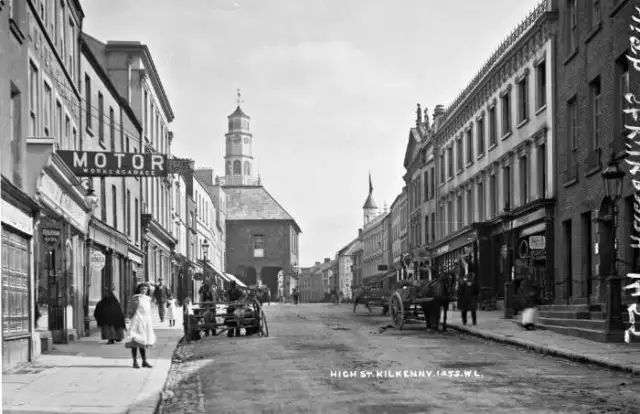
Kilkenny City, with its medieval charm, served as a bustling market town. The city's narrow streets, lined with historic buildings, were a hub for trade and commerce. It was a place where farmers, artisans, and merchants converged, creating a vibrant community atmosphere.
The 1940s: The Emergency and Enduring Spirit
As the 1940s began, Kilkenny, like the rest of Ireland, felt the impact of World War II, known locally as "The Emergency." While Ireland remained neutral, the war's effects were still deeply felt. Rationing of essentials like tea, sugar, and fuel became part of daily life, requiring ingenuity and community cooperation.
Daily Life and Work
Agriculture remained central to life in Kilkenny during the 1940s. The war years brought an emphasis on self-sufficiency, with local produce becoming even more vital. Farmers worked tirelessly, using traditional methods to plant, tend, and harvest their crops. The sight of farmers plowing, sowing, and reaping was a constant, reflecting a deep connection to the land.
In Kilkenny City, life revolved around trade and craft. Local businesses adapted to the challenges of the time, ensuring that the community's needs were met despite the constraints imposed by the war. The city’s markets were lively places, where people exchanged goods and news, reinforcing the strong community bonds.
Community and Culture
Social life in Kilkenny during the 1940s revolved around community gatherings and cultural traditions. The parish hall and local pubs were focal points for social activities, hosting dances, ceilidhs, and various community events. Traditional Irish music and dance were integral to these gatherings, with fiddles, flutes, and bodhráns providing a lively soundtrack to social life.
The Catholic Church was a cornerstone of daily life. Sunday Mass was a significant weekly event, bringing together families and neighbors. The church also played a role in education and social services, reinforcing the strong community bonds that characterized Kilkenny.
Kilkenny’s Role in Ireland’s Independence
Kilkenny’s contribution to Ireland’s journey towards full independence is a story of steadfast dedication and patriotism. The county was home to many who played active roles in the struggle for independence, participating in the Irish War of Independence and the subsequent civil war. These efforts were integral to the broader national movement that ultimately led to the establishment of a free Irish state.
When Ireland was officially declared a republic on April 18, 1949, the people of Kilkenny, like those across the country, felt immense pride and a sense of accomplishment. The declaration marked the culmination of years of struggle and sacrifice, and for Kilkenny, it was a moment of profound significance.
Celebrating Independence in 1949
The celebrations of Ireland's newfound status as a republic were heartfelt and jubilant throughout Kilkenny. In towns like Kilkenny City, Thomastown, and Callan, spontaneous gatherings and festivities erupted. The streets were adorned with the tricolors, and the air was filled with the sounds of traditional music and joyous laughter.
Bonfires, a traditional symbol of celebration, were lit on the hillsides, reflecting the joy and pride of the community. Families and neighbors came together to mark the occasion with feasts, music, and storytelling, paying tribute to the efforts and sacrifices that had led to this historic day. It was a time for reflection on the past and a hopeful look towards the future.
A Legacy of Resilience and Community
Living in Kilkenny in the 1940s meant navigating a world of agricultural labor, urban trade, and strong community ties. The decade was marked by challenges but also by a profound sense of resilience and solidarity. The people of Kilkenny faced the difficulties of the time with a spirit of unity, drawing strength from their deep connections to the land, the city, and each other.
Today, the legacy of the 1940s continues to shape Kilkenny’s identity. The stories of perseverance, community spirit, and quiet heroism from that era are woven into the fabric of the county. As we look back, we celebrate the enduring spirit of Kilkenny, a testament to the power of community, resilience, and the pursuit of independence.
In the heart of Ireland, amidst the rolling hills and the medieval charm of Kilkenny City, the story of Kilkenny in the 1940s remains a poignant chapter in the history of Ireland—a testament to the enduring power of community, resilience, and the quest for freedom.

.jpg)
.jpg)
.jpg)
.jpg)