Life in Dublin in the 1940s
A Glimpse into Post-War Ireland
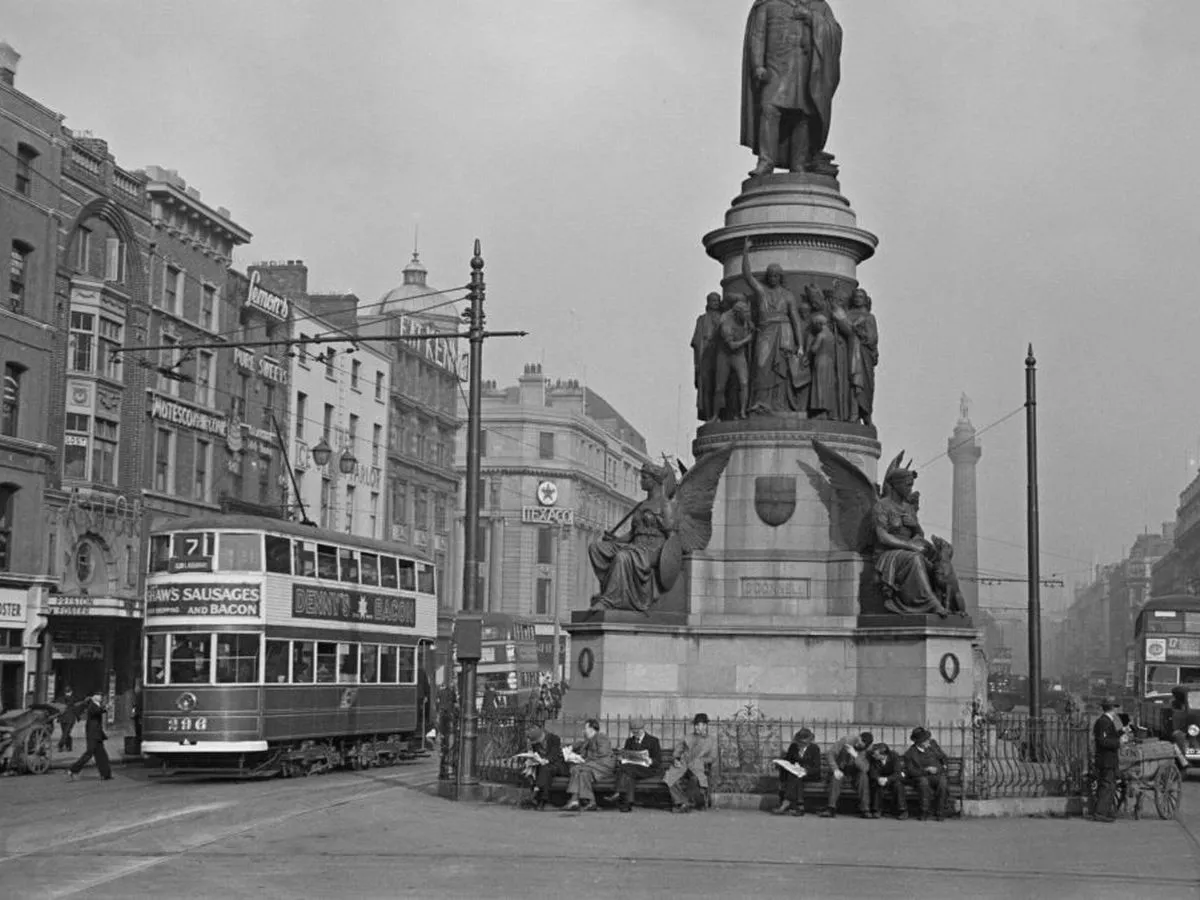
Dublin in the 1940s was a city deeply marked by the tumultuous events of the preceding decades. As the capital of Ireland, it bore the scars of political strife, economic hardship, and the social changes brought about by World War II. Despite the challenges, life in Dublin during this era was characterized by resilience, community spirit, and a sense of identity shaped by the unique blend of tradition and modernity.
The 1940s were a time of economic struggle for Dublin and indeed the whole of Ireland. The aftermath of the Great Depression, coupled with the economic disruption caused by World War II, left many Dubliners facing poverty and unemployment. The scarcity of goods and rationing imposed during the war years further compounded the difficulties faced by ordinary citizens.
Despite the hardships, the social fabric of Dublin remained strong. Neighborhoods were tight-knit communities where neighbors looked out for one another. The pub culture, ingrained deeply in Irish society, served as more than just a place to drink; it was a hub of social interaction, storytelling, and camaraderie.
The 1940s saw a resurgence of interest in Irish culture and nationalism. The Irish language, long marginalized, experienced a revival, fueled by a renewed sense of pride in Irish identity. Artists, writers, and musicians contributed to this cultural renaissance, with institutions like the Abbey Theatre continuing to thrive despite the difficult times.
Dublin in the 1940s was also shaped by its political context. The historic date that sticks out from Dublin and all over Ireland , the establishment of the Republic of Ireland in 1949. This marked a significant milestone in the country's history, severing the final ties with the British Empire. The emergence of Fianna Fáil as the dominant political force under Éamon de Valera brought a sense of stability, albeit amidst ongoing tensions with Northern Ireland.
While much of Dublin retained its historic charm, the 1940s also witnessed significant changes to the city's urban landscape.
The construction of new housing developments, such as those in the suburbs of Crumlin and Cabra, aimed to address the housing shortage exacerbated by the war and the influx of rural migrants seeking better opportunities in the city.
Living in Dublin in the 1940s was a testament to the resilience of its inhabitants. Despite the economic hardships, social challenges, and political uncertainties, Dubliners forged ahead with a sense of community, cultural pride, and determination to build a better future for themselves and their city. The legacy of this transformative era continues to shape the identity of Dublin and its people to this day.

.jpg)
.jpg)