Life in County Meath in the 1940s
Navigating Rural Ireland Amidst Change
County Meath in the 1940s was a microcosm of rural Ireland, where the rhythms of life were dictated by the land, tradition, and the enduring spirit of its people. Situated in the province of Leinster, Meath experienced a unique blend of agricultural heritage, cultural tradition, and the challenges of navigating a changing world in the aftermath of World War II.
As one of Ireland's most fertile regions, County Meath was primarily agrarian in the 1940s. The landscape was dominated by rolling green pastures, lush farmland, and the iconic megalithic passage tombs of Brú na Bóinne, bearing witness to millennia of human settlement. Agriculture formed the backbone of the local economy, with family farms cultivating crops such as potatoes, barley, and oats, alongside livestock rearing, particularly cattle and sheep.
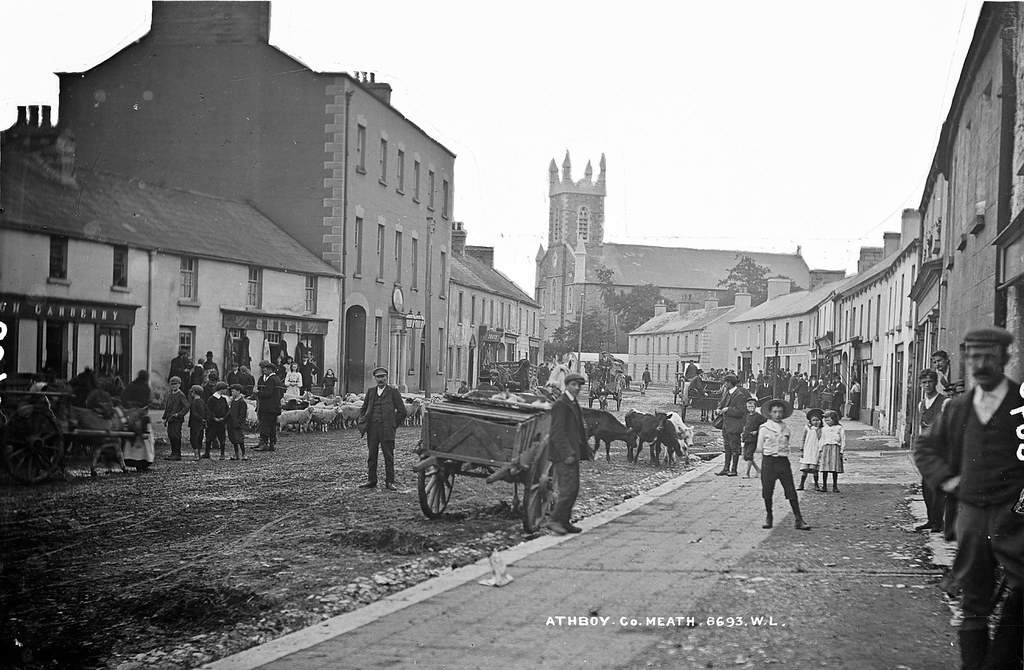
Life in rural Meath was deeply rooted in community ties and neighborly solidarity. Villages and townlands were tight-knit communities where everyone knew each other, and social gatherings centered around local events, such as parish dances, sports matches, and agricultural fairs. The local pub served as a focal point for socializing, storytelling, and sharing news, while the church played a central role in both spiritual and social life.
Despite the picturesque landscape and close-knit communities, life in County Meath was not without its challenges. The economic hardships of the 1940s, exacerbated by the aftermath of World War II and the constraints of agricultural life, meant that many families struggled to make ends meet. Rationing, scarcity of goods, and limited access to modern amenities were daily realities for rural dwellers.
Education in rural Meath was often rudimentary, with one-room schoolhouses serving multiple age groups under the guidance of a single teacher. Despite the limitations, there was a strong emphasis on preserving Irish language and culture, with traditional music, dance, and storytelling passed down through generations. Local GAA clubs provided a sense of identity and community pride, with Gaelic games serving as a unifying force.
The 1940s marked a period of transition in transportation and communication in County Meath. While the railway network connected larger towns like Navan and Trim to Dublin and beyond, rural areas relied primarily on horse-drawn carts and bicycles for transportation. The arrival of electricity in some parts of the county brought newfound convenience and modernity, albeit gradually.
Living in County Meath in the 1940s was a testament to the resilience, resourcefulness, and strong sense of community among its inhabitants. Despite the challenges of rural life and the uncertainties of a changing world, the people of Meath persevered, drawing strength from their deep-rooted connection to the land, their traditions, and each other. The legacy of this bygone era continues to shape the identity and spirit of County Meath to this day.


.jpg)


.jpg)