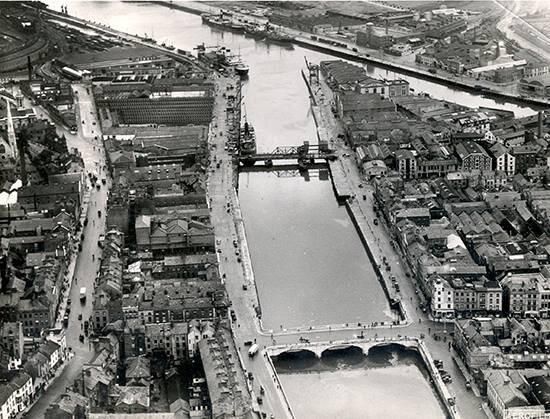
Life in County Cork in the 1940s
An Introduction
As the winds of change swept across Ireland in the 1940s, the city of Cork stood as a resilient bastion of community and warmth, nestled amidst the verdant landscapes of the Rebel County. Steeped in history and tradition, Cork exuded a unique charm that embraced its inhabitants with a sense of belonging and pride.
For those who called it home, life in Cork during this pivotal decade was a testament to the enduring spirit of its people.Against the backdrop of World War II, Cork emerged as a beacon of hope and solidarity, where neighbors supported one another through times of hardship and uncertainty.
Despite the challenges of rationing and economic strain, the bonds of kinship and camaraderie only grew stronger, weaving a tapestry of resilience that defined the fabric of Corkonian life.
In the heart of the city, bustling streets echoed with the rhythm of daily life, as vendors peddled their wares in the historic English Market, and the aroma of freshly baked bread wafted from corner bakeries.
Families gathered in cozy kitchens, sharing stories and laughter over simple yet hearty meals, finding solace in each other's company amidst the tumult of war.
But it was not just the bustling urban life that defined Cork in the 1940s; it was also the tranquil beauty of its rural landscapes that captured the hearts of its inhabitants. From the rolling hills of West Cork to the rugged shores of the Beara Peninsula, the countryside offered a sanctuary of serenity, where time seemed to stand still amidst fields of emerald green and ancient stone walls.
In the political landscape of 1940s Cork, the Fianna Fáil party held a significant sway over the hearts and minds of its inhabitants. Led by Éamon de Valera, a towering figure in Irish politics, Fianna Fáil resonated with the people of Cork through its vision of Irish republicanism and social progress.
The party's emphasis on economic self-sufficiency and cultural revival struck a chord with Corkonians, who saw in Fianna Fáil a beacon of hope for a brighter future amidst the shadows of war and austerity.
With its deep roots in the Irish nationalist tradition and a commitment to social justice, Fianna Fáil found fertile ground in Cork, where its message of resilience and renewal found eager ears among a populace yearning for stability and prosperity.
As we reflect on the bygone era of the 1940s, let us remember Cork as more than just a place on the map, but as a testament to the enduring strength of community, and a beacon of hope in a world fraught with uncertainty.
In its streets and its stories, we find echoes of our own resilience and the timeless bonds of kinship that unite us as proud inhabitants of this beloved island.