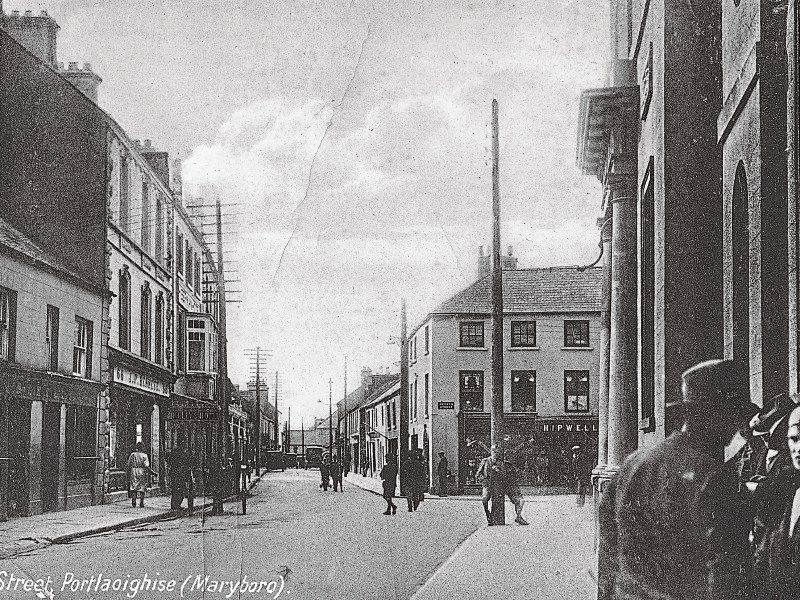
A Tapestry of Resilience and Rural Beauty
Nestled in the heart of Ireland, County Laois in the 1940s was a place of enduring charm and community spirit. Against the backdrop of World War II and the challenges of post-independence Ireland, Laois' landscapes echoed with the whispers of history and the warmth of its people. For those who called Laois home, life was a testament to the resilience and pride that defined the era.
In the rural villages and towns that dotted Laois' countryside, life unfolded at a gentle pace, guided by the rhythms of agricultural life and the bonds of community. From the rolling hills of the Slieve Bloom Mountains to the fertile plains of the Barrow Valley, Laois' landscapes were a patchwork of green fields and winding rivers, where families worked the land with a sense of pride and purpose.
But it was not just the natural beauty of Laois that captivated its inhabitants; it was also the deep-rooted sense of community and tradition that set the county apart. In villages like Stradbally and Mountmellick, neighbors came together to support one another through life's trials and triumphs, forging bonds that would endure for generations. Whether it was a ceilidh in the local hall or a hurling match on the village green, community gatherings provided an opportunity for people to celebrate their shared heritage and kinship.
One unique aspect of life in 1940s Laois was the county's rich tradition of handloom weaving, which thrived in towns like Mountmellick and Abbeyleix. During this time, skilled artisans crafted intricate lace and embroidery using traditional techniques passed down through generations. The Mountmellick Embroidery, in particular, gained renown for its exquisite beauty and craftsmanship, earning Laois a place of honor in the annals of Irish textile history.
For the people of Laois, pride ran deep in their veins, rooted in a rich tapestry of history and tradition. From the ancient ruins of Rock of Dunamase to the stately homes of Emo Court, Laois' heritage was a source of inspiration and pride for all who called it home. And as the county looked towards the future with hope and optimism, it was this sense of pride and resilience that would continue to define Laois for generations to come.
In the heart of the 1940s, amidst the challenges of war and uncertainty, Laois stood as a beacon of resilience and rural beauty, a testament to the enduring spirit of its people. As we reflect on this bygone era, let us remember Laois not just as a place on the map, but as a cherished home where the bonds of community and tradition continue to thrive.