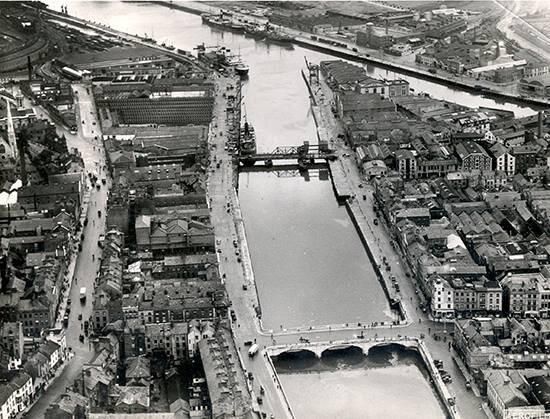
A Tapestry of Rural Charm and Resilience
Nestled in the heart of the Irish midlands, Kildare in the 1940s was a place of quiet beauty and enduring strength. Against the backdrop of World War II and the challenges of post-independence Ireland, the county's communities thrived with a spirit of resilience and warmth that defined the era. For those who called Kildare home, life was a tapestry woven with the threads of tradition, community, and an unwavering sense of pride.
In the countryside, where rolling green pastures stretched as far as the eye could see, Kildare's rural communities flourished. Families tended to their fields and livestock with a steadfast determination, drawing sustenance from the rich soil and the rhythms of agricultural life. From the lush plains of the Curragh to the quaint villages nestled along the banks of the River Liffey, Kildare's landscape was dotted with the timeless charm of thatched cottages and stone walls, each bearing witness to the passage of time.
But it was not just the natural beauty of Kildare that captivated its inhabitants; it was also the warmth of its communities that truly set the county apart. In villages and towns across the county, neighbors came together to support one another through life's trials and triumphs. From barn dances to parish picnics, social gatherings provided an opportunity for people to forge bonds that would endure for generations.
One unique aspect of life in 1940s Kildare was the presence of the Curragh Camp, a military installation that played a pivotal role in Ireland's history. Established in the 19th century, the Curragh Camp served as a training ground for the Irish Defence Forces, and during the 1940s, it became a hub of activity as Ireland navigated the challenges of neutrality during World War II. While the Camp was primarily associated with military training, it also contributed to the local economy and provided employment opportunities for many residents of Kildare.
For the people of Kildare, pride ran deep in their veins, rooted in a rich tapestry of history and tradition. From the ancient ruins of castles and monastic sites to the storied legacy of the Irish horse racing industry, Kildare's heritage was a source of inspiration and pride for all who called it home. And as the county looked towards the future with hope and optimism, it was this sense of pride and resilience that would continue to define Kildare for generations to come.
In the heart of the 1940s, amidst the challenges of war and uncertainty, Kildare stood as a beacon of warmth and resilience, a testament to the enduring spirit of its people. As we reflect on this bygone era, let us remember Kildare not just as a place on the map, but as a cherished home where the bonds of community and tradition continue to thrive.