
Special thanks to xxxx for supporting true irish news and for there contribution to the XXX charity



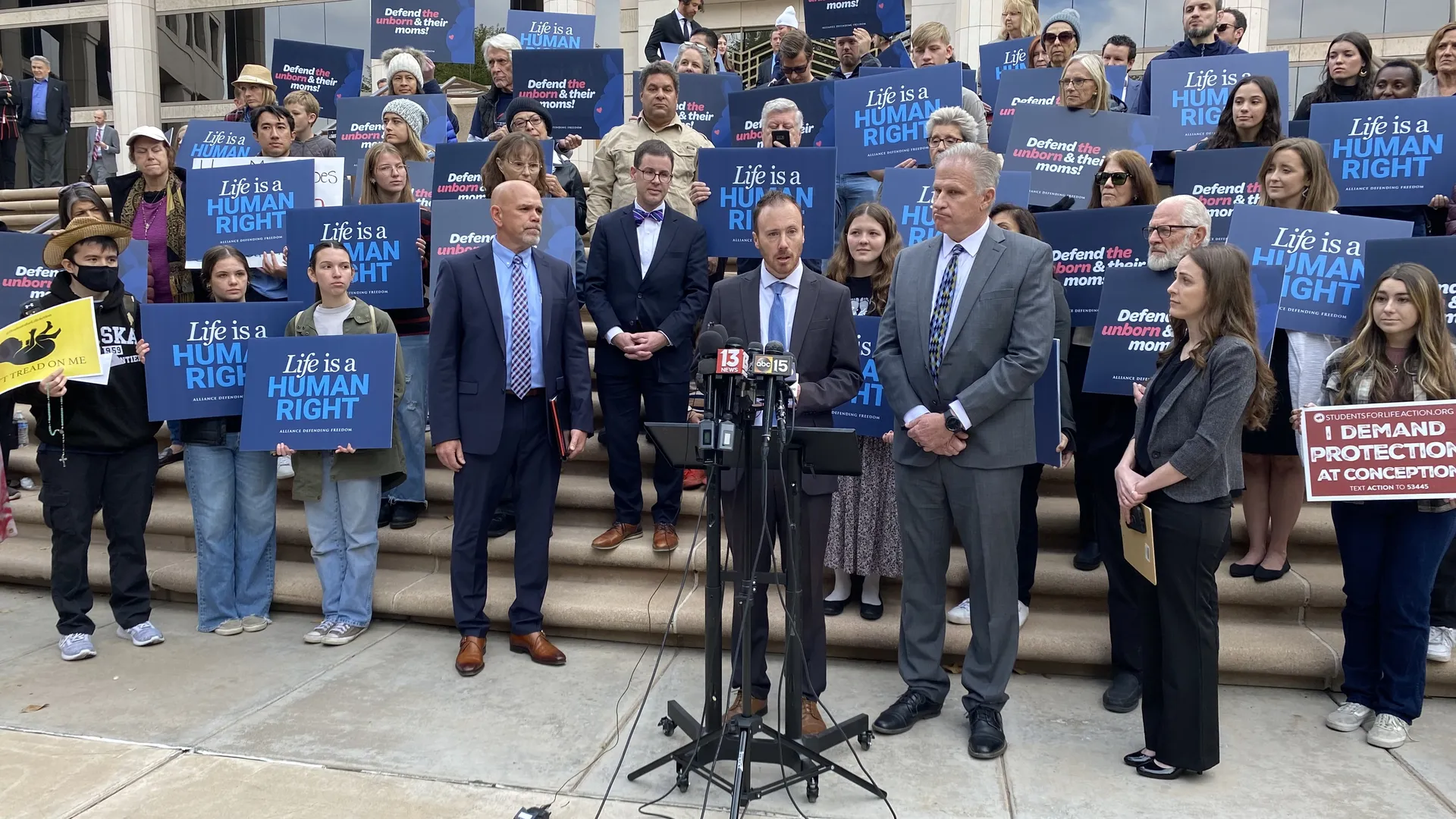
10th April A recent ruling by the Arizona Supreme Court has sparked widespread controversy and political debate, as it effectively enforces an 1864 law that bans abortion in the state. The ruling permits the prosecution of individuals, including doctors, for performing abortions except when the mother's life is at risk, with no exceptions for cases of rape or incest.
Democrats have swiftly condemned the ruling, attributing it to the appointment of three Supreme Court justices by former President Donald Trump, who aimed to overturn the federally guaranteed right to abortion. Phoenix mayor Kate Gallego, a Democrat, denounced Trump's influence, describing him as "dangerous and reckless" and linking the erosion of abortion rights to his presidency.
The decision has significant implications for Arizona's political landscape, particularly as the state gears up for the critical 2024 election. President Joe Biden and his allies are rallying efforts to restore abortion rights, while Trump, despite his anti-abortion stance, has emphasized leaving abortion policy to individual states.
Even staunch Trump allies in Arizona, such as Senate candidate Kari Lake, have expressed reservations about the total abortion ban, signaling a potential shift in Republican rhetoric on the issue. This divergence reflects the broader political dilemma facing Republicans, as they navigate between anti-abortion sentiments within their base and public opinion that generally supports abortion rights.1The ruling underscores Trump's legacy in reshaping the US Supreme Court, which paved the way for decisions like Dobbs v. Jackson Women's Health Organization in 2022, enabling states like Arizona to enforce restrictive abortion laws. As debates over abortion intensify, Vice President Kamala Harris's upcoming visit to Arizona to discuss abortion rights highlights the issue's national significance.
In response to the ruling, Democratic Attorney General Kris Mayes predicts a surge in support for Democrats from independents and Republicans who favor abortion rights. The decision is expected to galvanize efforts to secure a ballot measure that would restore the right to abortion in Arizona, reflecting broader trends across the country.
Ultimately, the ruling amplifies the ongoing battle over reproductive rights and highlights the enduring influence of historical legislation in shaping contemporary policy debates. As Arizona grapples with the fallout from the ruling, its political ramifications are poised to reverberate nationally, underscoring the stakes in the fight for abortion rights.